BPF Online Blog

FREE UK carriage on orders over £250 nett      No minimum order value      Trade discounts       Order FREE samples online       Last cut off for overnight: 3pm

A Complete Guide to Workplace Hygiene Screens

Workplace hygiene screens provide a practical way to create physical separation between people in offices, reception areas, retail environments, service...
Read More

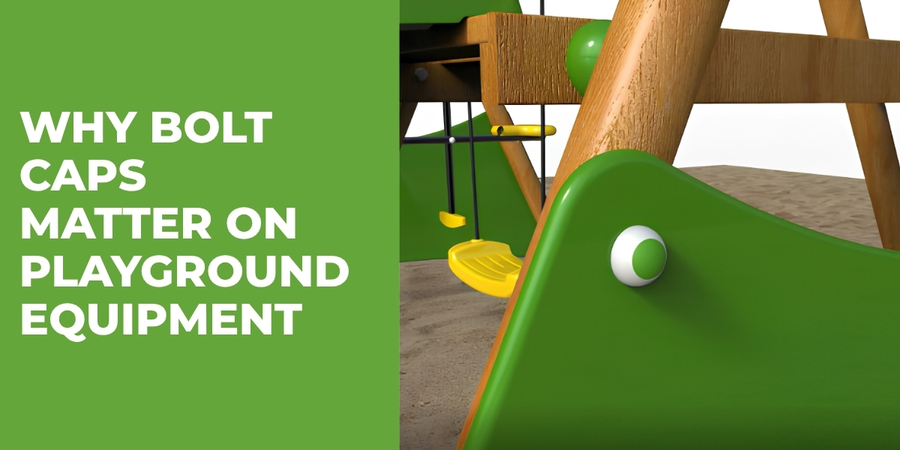
Why Bolt Caps Matter on Playground Equipment

When manufacturers and installers build playground equipment, they need to consider every component, right down to the smallest fixing. Bolts,...
Read More
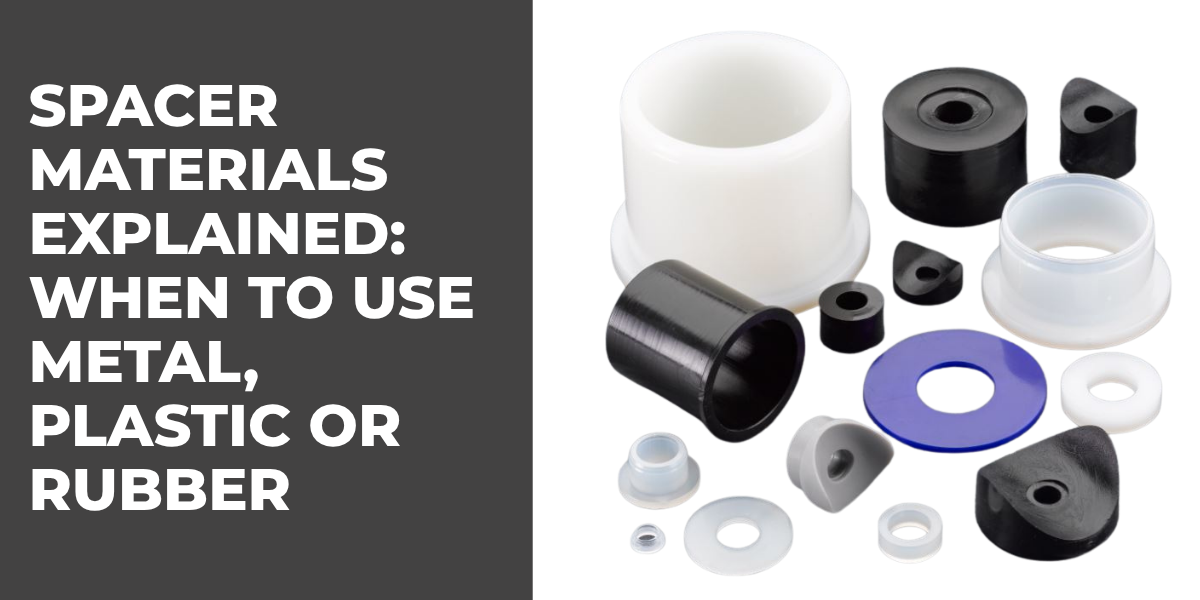
Spacer Materials Explained: When to Use Metal, Plastic or Rubber Spacers

Spacers may look like simple components, but the material you choose can greatly affect how an assembly performs. A spacer...
Read More
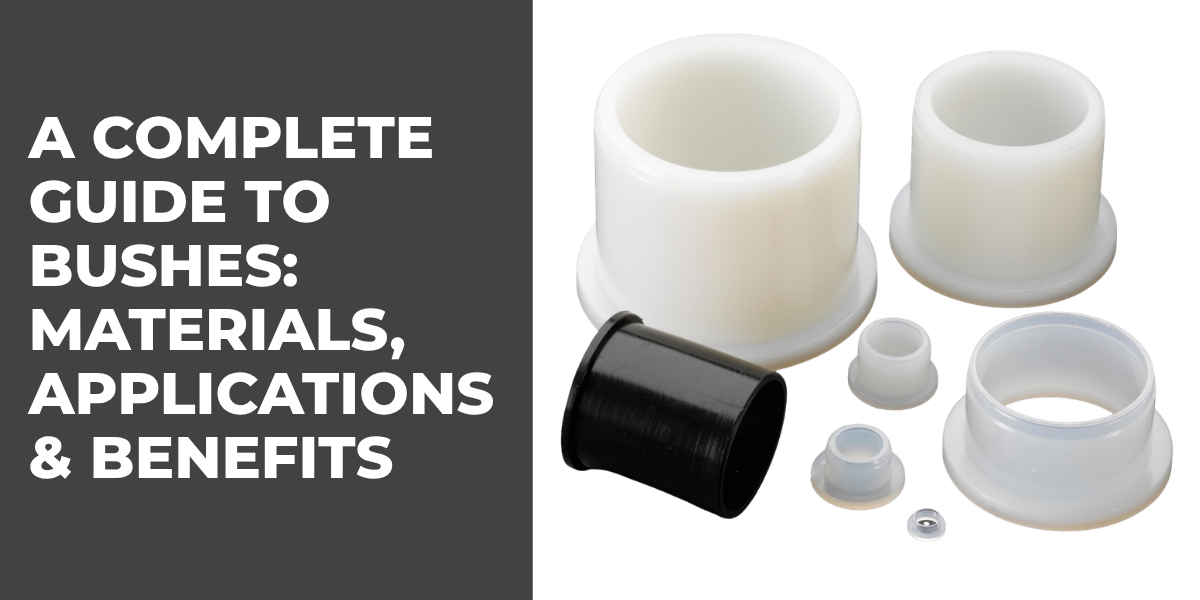
A Complete Guide to Bushes: Materials, Applications & Benefits

Bushes play an important role in mechanical assemblies, helping manufacturers manage movement, reduce friction, protect components and maintain accurate spacing....
Read More
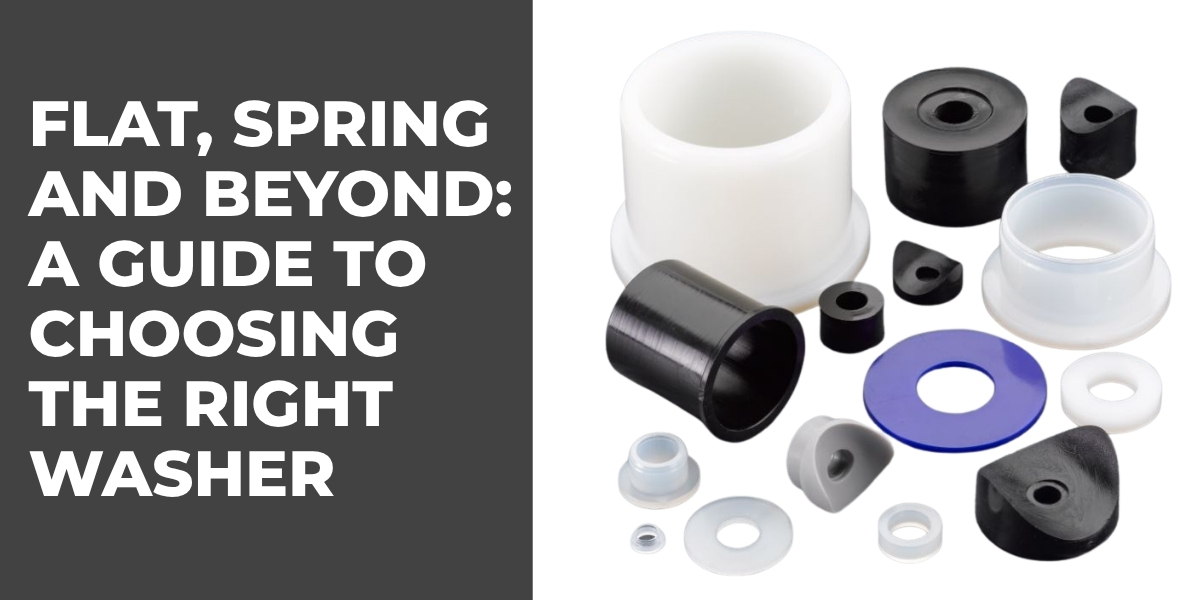
Flat, Spring and Beyond: A Guide to Choosing the Right Washer

Washers are small but essential components used in countless mechanical and industrial assemblies. While a standard flat washer may look...
Read More
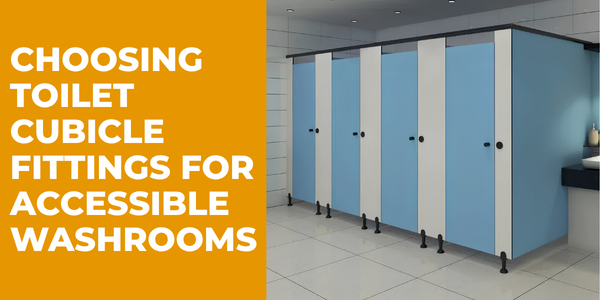
The Importance of Accessibility-Compliant Cubicle Hardware

Choosing Toilet Cubicle Fittings for Accessible Commercial Washrooms Accessibility is an increasingly important consideration when designing commercial washrooms. For architects,...
Read More
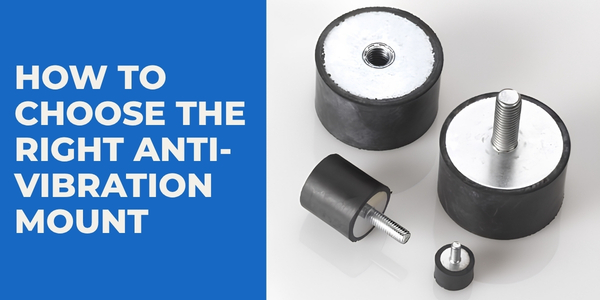
How to Choose the Right Anti-Vibration Mount

Choosing the right anti-vibration mount isn't simply a case of finding a mount that fits. The correct solution needs to...
Read More
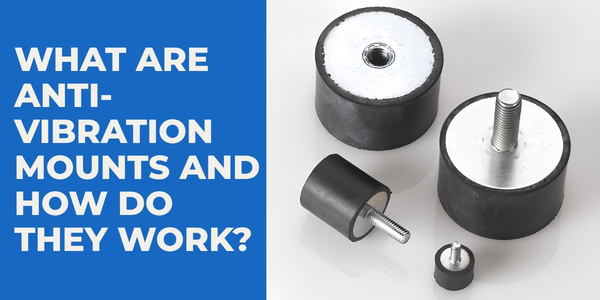
What Are Anti-Vibration Mounts and How Do They Work?

Vibration is an unavoidable part of many mechanical and industrial applications. Motors, pumps, compressors, generators and other machinery naturally move...
Read More
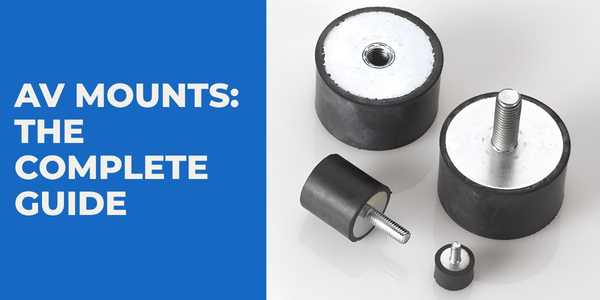
AV Mounts: The Complete Guide

Vibration can be an unavoidable part of operating machinery, equipment and mechanical systems. While some movement is perfectly normal, excessive...
Read More
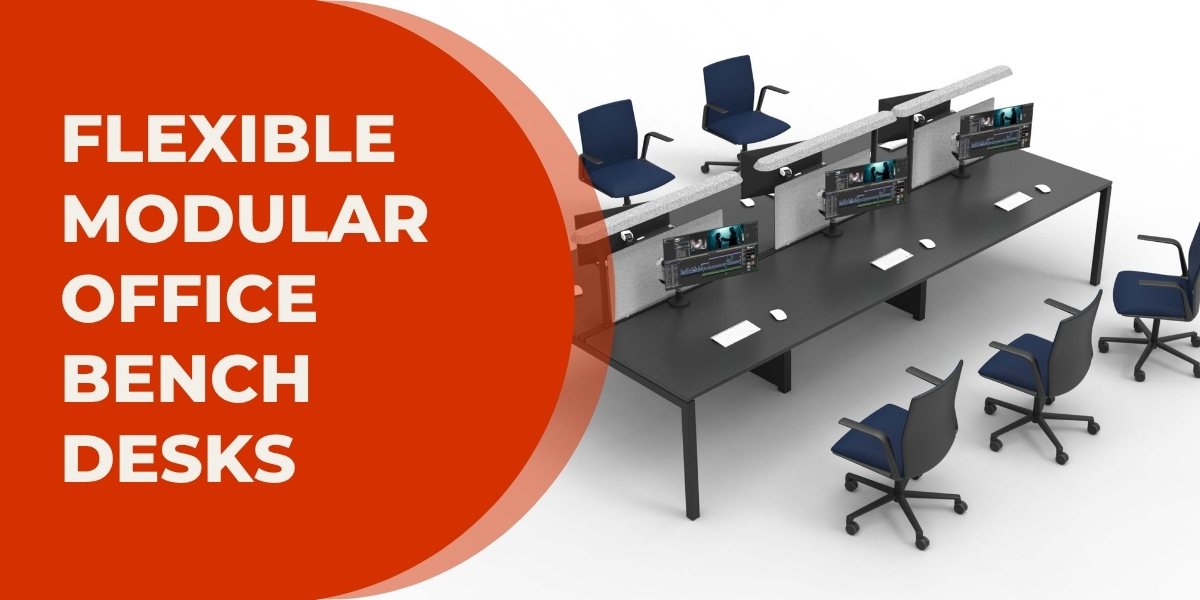
X3 Bench Desk: Flexible Modular Office Desks for Every Workspace

A bench desk is one of the most efficient ways to maximise office space while creating a collaborative working environment....
Read More

What are Plastic Packers and Why Every Builder Should Use Them

Whether you’re fitting a door frame, levelling a window, or aligning kitchen cabinets, precision matters. Enter the unsung hero of the trade world: plastic packers. If you’re still using bits of timber or scraps of cardboard to make things level, it’s time to upgrade.

Let’s break down what packers and shims are, why they’re better than traditional methods, and how they can save you time, money, and headaches on-site.

What Are Plastic Packers?

Plastic packers (also known as shims) are flat, solid inserts made from durable plastic used to level, space, or align components in construction and joinery. They come in a variety of sizes, thicknesses and are often colour-coded by size, making them easy to identify and use quickly.

Where Are Packers and Shims Used?

Plastic packers are incredibly versatile. Common uses include:

  • Window and Door Installation – Ensuring perfect alignment and preventing future warping.
  • Flooring and Decking – Creating even surfaces and correcting minor height differences.
  • Kitchen and Bathroom Fitting – Levelling cabinets, countertops, and appliances.
  • Partition Walls & Cladding – Providing accurate spacing between fixings or panels.
  • Glazing Systems – Supporting glass panels safely and evenly.


Basically, anywhere alignment, spacing or load distribution is key, plastic packers are the ultimate solution.

Why Use Plastic Packers Instead of Timber or Cardboard?

Traditionally, many trades use wood offcuts, folded paper, or even coins to shim things into place. Here’s why packers are better in every way:

  1. Consistent thickness: Each packer is manufactured to precise tolerances (no guesswork or uneven results).
  2. Weather-resistant: Unlike timber or card, packers won’t swell, rot, or degrade over time. They’re ideal for both indoor and outdoor use.
  3. High load capacity: Plastic packers are engineered to handle weight without compressing or breaking down under pressure.
  4. Colour coded sizes: No need to measure on-site – simply grab the right colour and go for smarter, faster working.
  5. Clean and professional: Packers give your work a clean finish and can even be left in place permanently without compromising integrity.


The BPF Plastic Packer Range: Built for Trade

Our new range of Flat Plastic Packers & Shims is designed with professionals in mind:

  • Multiple sizes and thicknesses (from 1mm to 10mm).
  • Colour-coded for quick and easy installations.
  • Supplied in trade packs, job-ready.
  • Weather resistant and rot-proof.


From general builders to glazing pros, we’ve got a packer for every purpose.

Plastic packers might be small, but their impact on your work is huge. They save you time, improve accuracy, and deliver professional results – without the hassle of DIY shimming hacks.